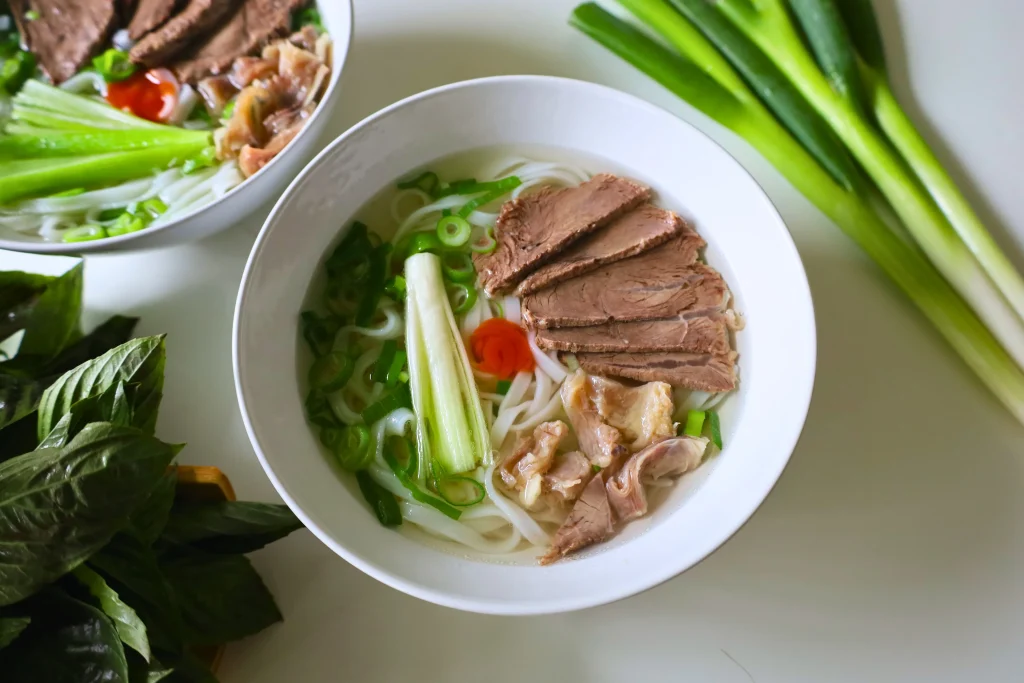
Mastering Beef Pho Bo: A Guide to Authentic Vietnamese Broth & Cuts
Few dishes captivate the senses quite like Vietnamese Phở. More than just a soup, it's a culinary icon, a symphony of aromatic spices, tender beef, and delicate noodles bathed in a deeply savory broth. While its complexity might seem daunting, mastering beef pho bo at home is a truly rewarding endeavor. This guide delves into the secrets of creating an authentic Vietnamese experience, focusing on the foundational broth and the diverse world of beef cuts, demonstrating that even an easy Vietnamese pho bo can deliver profound flavor.
The Enduring Legacy of Vietnamese Pho Bo
Phở's journey from humble beginnings in early 20th-century northern Vietnam to global acclaim is a testament to its irresistible allure. The very name "Phở" is believed to be a phonetic echo of the French "pot au feu," a clear nod to the French colonial influence that introduced beef consumption to the Vietnamese diet. As the dish traveled south, it evolved, giving rise to distinct regional styles and variations like Phở Gà (chicken pho) and the universally beloved Phở Bò (beef pho).
Each bowl of beef pho is a carefully constructed masterpiece. It combines slippery rice noodles (bánh phở), a selection of fresh herbs and vegetables, and, most importantly, the star of the show: an elegant, fragrant broth. But what truly sets it apart are the unique blend of spices and the thoughtful selection of beef cuts that add layers of texture and taste. For a deeper dive into its origins and variations, explore Vietnamese Beef Pho Bo: Explore Its Rich History, Spices & Beef Cuts.
The Soul of Pho: Crafting the Perfect Broth
The broth is undeniably the heart and soul of any great bowl of pho. A truly authentic Vietnamese pho bo broth is amber-clear, incredibly aromatic, and boasts a complex sweet and savory profile. While traditional methods can span many hours, thoughtful techniques can help you achieve remarkable results even when aiming for an easy pho at home.
Essential Ingredients for a Flavorful Broth
- Beef Bones: The foundation of flavor. A mix of marrow bones, knuckle bones, and even oxtail (for extra richness and gelatin) will yield the best results. Blanching the bones first is crucial to remove impurities and ensure a clear broth.
- Aromatics: These are often charred to intensify their fragrance and lend a smoky depth. Key aromatics include whole onions (often halved), ginger (sliced or halved), and sometimes shallots. Charring can be done directly over an open flame, under a broiler, or in a dry pan until softened and slightly blackened.
- Signature Spices: This is where pho truly distinguishes itself. The traditional blend typically includes:
- Star Anise: Distinctive licorice-like aroma.
- Cinnamon Sticks: Warm, sweet notes.
- Black Cardamom Pods: Smoky, slightly camphoric (if available, otherwise green cardamom can be a substitute, though less traditional).
- Cloves: Pungent and sweet, used sparingly.
- Fennel Seeds: Mild, sweet anise flavor.
- Coriander Seeds: Citrusy and earthy.
- Seasoning: Fish sauce (nuoc mam), rock sugar, and salt are essential for balancing the broth's complex flavors.
Broth Crafting Techniques: From Traditional to Time-Saving
The secret to an impossibly clean and flavorful broth, as perfected by generations of pho masters, lies in two critical steps: gentle simmering and properly bloomed spices.
- Blanching Bones: Start by boiling the beef bones for 10-15 minutes, then discard the water and rinse the bones thoroughly. This removes impurities that would otherwise cloud your broth.
- Charring Aromatics: Char onions and ginger until fragrant and slightly blackened. This adds a crucial smoky dimension.
- Toasting Spices: Dry-toast your star anise, cinnamon, cloves, fennel, and coriander seeds until highly aromatic, then place them in a cheesecloth sachet. This prevents the spices from floating freely and making the broth gritty.
- The Gentle Simmer: Combine the blanched bones, charred aromatics, spice sachet, and plenty of fresh water in a large stockpot. Bring it to a bare simmer – never a rolling boil – and cook for at least 3-6 hours. A gentle simmer ensures a clear broth and allows the flavors to meld slowly without emulsifying fats.
- Seasoning: Add fish sauce, rock sugar, and salt to taste, adjusting until the broth achieves a perfect balance of savory, sweet, and umami.
For those seeking an easy Vietnamese pho bo without sacrificing too much flavor, a pressure cooker or Instant Pot can significantly reduce the broth simmering time to under an hour. While it won't replicate the exact depth of an all-day simmer, it produces a remarkably flavorful broth that far surpasses any instant alternative. Check out our Easy Vietnamese Beef Pho Bo: Quick Recipe for Flavorful Homemade Soup for a quick-start approach.
Beyond the Broth: The Art of Beef Cuts in Pho
The diverse array of beef cuts is another hallmark of authentic Vietnamese pho bo, each offering a unique texture and flavor profile that contributes to the overall complexity of the dish. A truly masterful bowl often combines several cuts for a comprehensive experience.
- Phở Tái (Rare Beef): This is arguably the most iconic cut, featuring ultra-thin slices of raw beef (often eye of round, sirloin, or tenderloin). The hot broth gently cooks the beef right at the table, resulting in a tender, delicate texture. It's crucial to slice the beef against the grain and as thinly as possible.
- Phở Nạm (Flank Steak): Well-done flank steak provides a leaner, slightly chewier texture that offers a satisfying bite. It's often pre-cooked and sliced thin before being added to the bowl.
- Phở Gầu (Brisket): Brisket, with its delightful marbling of fat, adds a rich, melt-in-your-mouth quality and deep beefy flavor to the soup. Like flank, it's typically pre-cooked until tender.
- Phở Gân (Beef Tendon): For the adventurous palate, tendon (gân) is a must-try. After long simmering, it transforms into a soft, gelatinous delicacy with a silky mouthfeel. Its unique texture adds an interesting dimension to the bowl.
- Phở Bò Viên (Beef Balls): These springy, savory beef meatballs are a popular addition, especially in Southern Vietnamese pho. They offer a different textural contrast.
- Phở Đuôi Bò (Oxtail Pho): While less common as a primary cut in a mixed bowl, oxtail can be the star of its own pho variation, providing incredibly rich broth and tender, flavorful meat.
Many pho aficionados opt for a "tái nạm gầu gân" combination, enjoying the full spectrum of textures and flavors in a single bowl. When preparing these at home for an easy pho, remember to slice cooked meats thinly and against the grain for tenderness. For raw beef (tái), ensure it's high quality and fresh, and slice it just before serving.
Assembling Your Masterpiece: Noodles, Garnishes & Etiquette
Once your exquisite broth is ready and your beef cuts are prepared, the final step is assembly. The choice of noodles and the fresh accompaniments are essential for a complete beef pho bo experience.
- Noodles: Use flat rice noodles (bánh phở), typically available dried in various widths. Rehydrate according to package directions, blanch briefly in boiling water, then rinse under cold water to prevent sticking.
- Garnishes: These fresh additions are non-negotiable, offering a burst of freshness, crunch, and contrasting flavors. Common garnishes include:
- Thinly sliced scallions and cilantro
- Fresh Thai basil and culantro (sawtooth herb)
- Bean sprouts
- Lime or lemon wedges (for a touch of acidity)
- Sliced fresh chili (bird's eye chili) or Sriracha for heat
- Hoisin sauce (for dipping beef or adding directly to the broth, especially in Southern styles)
To serve, place blanched noodles in a bowl, arrange your desired beef cuts on top, then ladle in the piping hot broth. Garnish as desired, and allow guests to customize their bowl with extra herbs, lime, and sauces.
Conclusion
Mastering beef pho bo is a journey into the heart of Vietnamese cuisine. From the profound depth of a slow-simmered broth to the nuanced textures of various beef cuts, every element plays a vital role. While the traditional process can be time-intensive, it's a labor of love that yields unparalleled results. However, with smart shortcuts like using a pressure cooker and focusing on quality ingredients, even an easy Vietnamese pho bo can be a triumph in your home kitchen. Embrace the process, savor the aromas, and enjoy the incredibly rewarding experience of creating this iconic dish.
